Uranium Mining in Namibia
Historical Overview
Uranium mining has been a cornerstone of Namibia’s mining industry for nearly five decades. The country’s first major uranium mine, Rössing Uranium, began operations in 1976 and is one of the longest running uranium producers in the world. Over the years, Namibia has consistently ranked among the top global uranium producers, supplying critical fuel for nuclear energy markets.
Existing Mines
Namibia’s current uranium production is anchored by several large-scale mines:
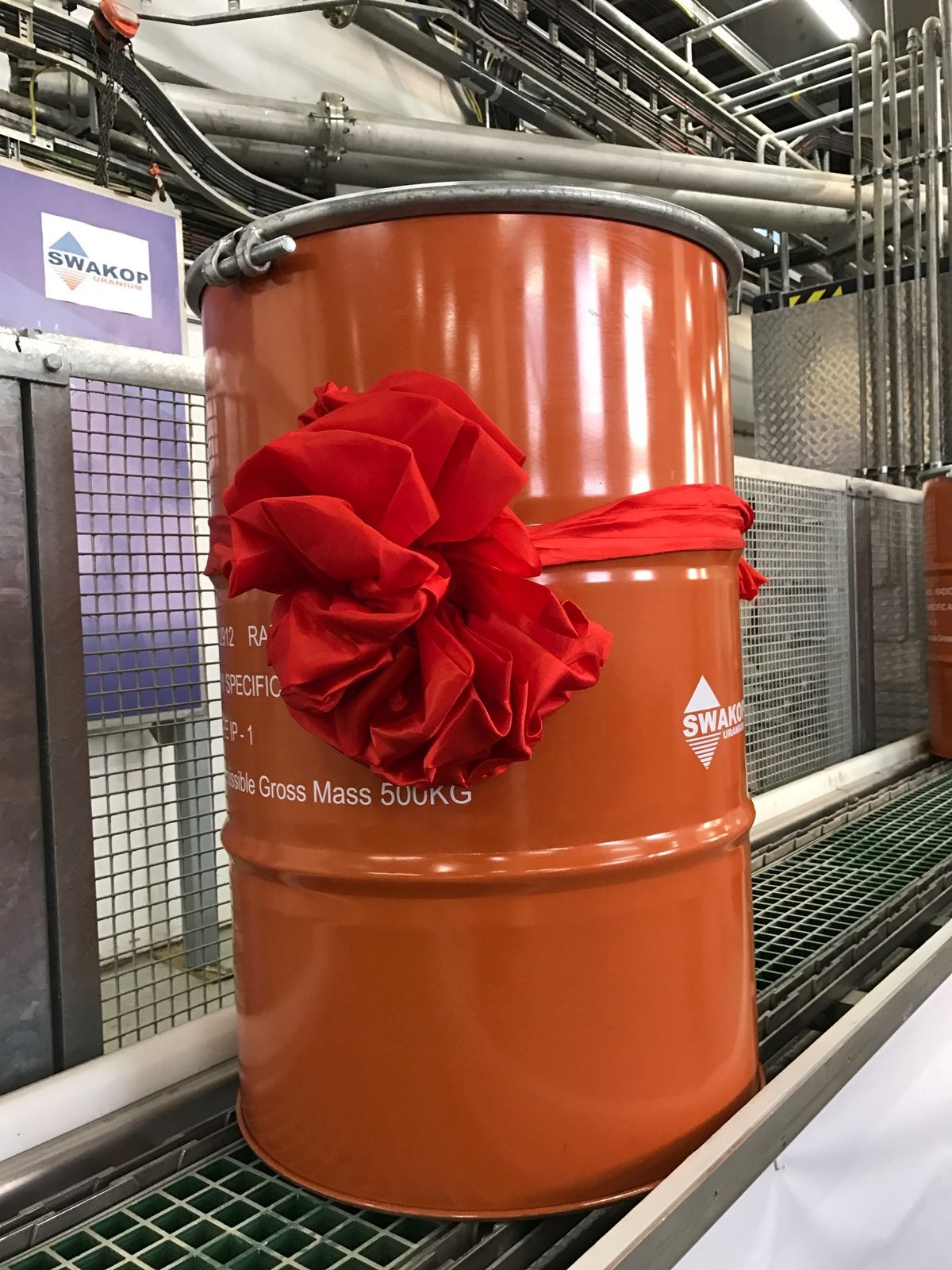
- Husab Uranium Mine: Operated by Swakop Uranium, Husab is one of the world’s largest open-pit uranium mines. Discovered in 2008 and brought into production in 2016, the mine has rapidly become a major source of uranium oxide, with twin pits delivering significant output for the global market.
- Rössing Uranium Mine: Located near Swakopmund, Rössing has been in continuous operation since 1976 and remains a key contributor to Namibia’s uranium portfolio. Plans to extend the mine’s life to 2036 through further pit pushbacks and infrastructure investments have been approved, ensuring ongoing production well into the next decade.
- Langer Heinrich Uranium Mine: After being placed on care and maintenance in 2018 due to low uranium prices, the Langer Heinrich mine resumed commercial production in 2024 following a substantial capital investment and refurbishment campaign. The restart reflects renewed confidence in uranium markets and supports Namibia’s production capacity.
Upcoming Projects and New Mines
Namibia’s uranium pipeline includes several advanced developments that are expected to boost production over the next decade:
- Etango Project: The Etango deposit, led by Bannerman Energy, is among the most advanced new uranium developments in Namibia. Having secured a mining licence and completed front-end engineering design, bulk earthworks construction is currently ongoing, and Bannerman Energy is raising funds for each phase of construction. The project targets first production between 2027 and 2028, with an expected annual output of around 3.5 million pounds of U₃O₈.
- Tumas Project: The Tumas uranium deposit, being advanced by Deep Yellow, is positioned to become a significant long-life operation, with anticipated annual production of more than 3 million pounds once fully operational.
- Norasa Project: Developed by Forsys Metals, the Norasa project (comprising the Valencia and Namibplaas deposits) holds a mining licence and is progressing through feasibility stages. Once developed, Norasa could contribute several million pounds of uranium annually.
Together, Etango, Norasa, and Tumas are expected to substantially increase Namibia’s uranium output in the latter half of the 2020s and into the 2030s.
Exploration Potential
Namibia has extensive uranium exploration potential, with numerous prospective areas and licences across the country, ensuring a pipeline of future projects to sustain long-term production growth.
.