
At Okongava in the Karibib District, a newly constructed kraal and a new employment opportunity represent the practical difference livestock farming has made in the life of Ellen Katambo.
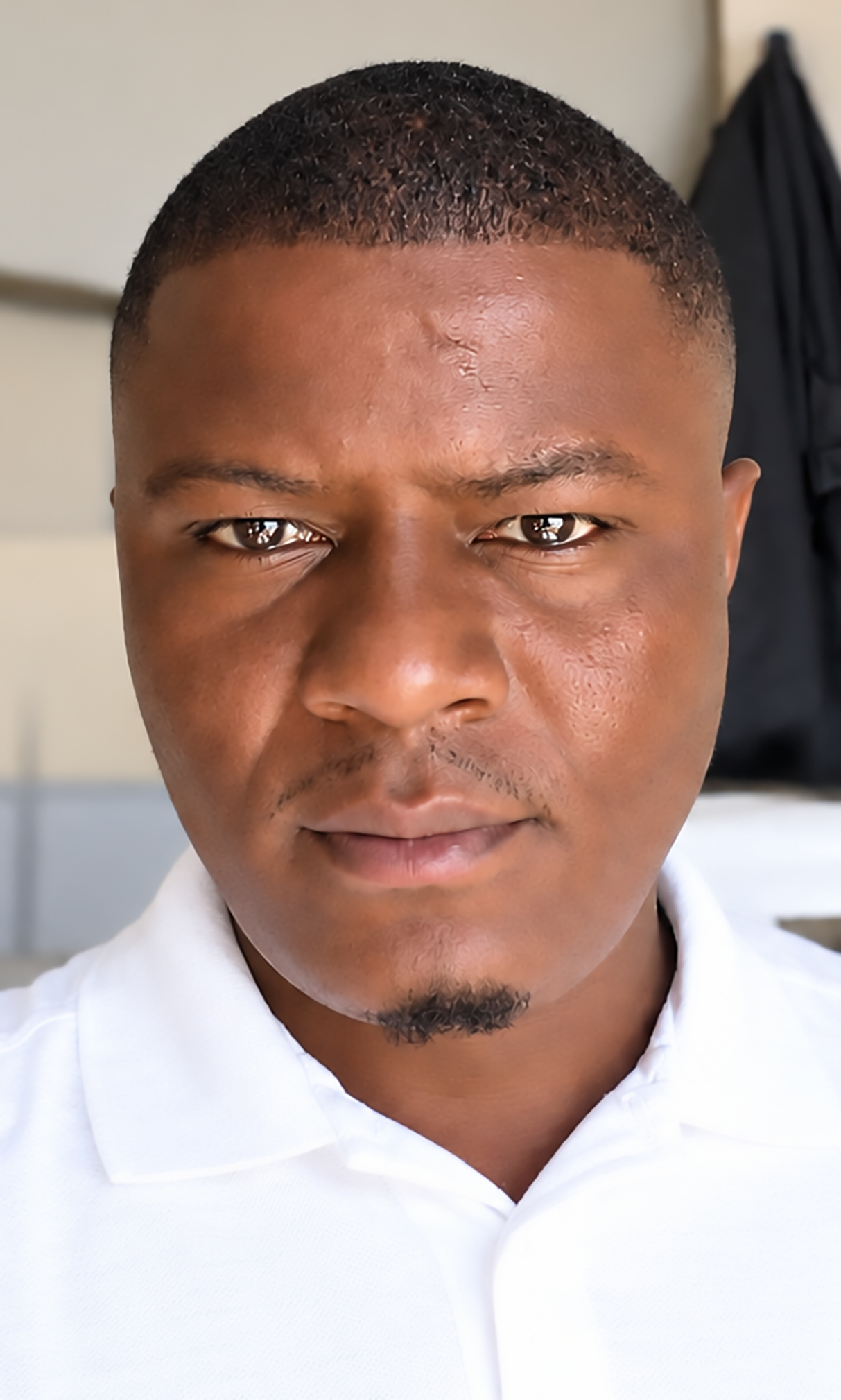
Before joining Phase 2 of the Swakop Uranium Foundation’s Hope Farm Project, Katambo had never been a farmer. He did not own livestock or have previous experience managing animals. Through the initiative, he received the resources, training and guidance needed to begin establishing a farming enterprise of his own.
“This is my first time being a farmer,” Katambo said. “Through the Hope Farm Project, I received 21 goats, salt blocks and training.”
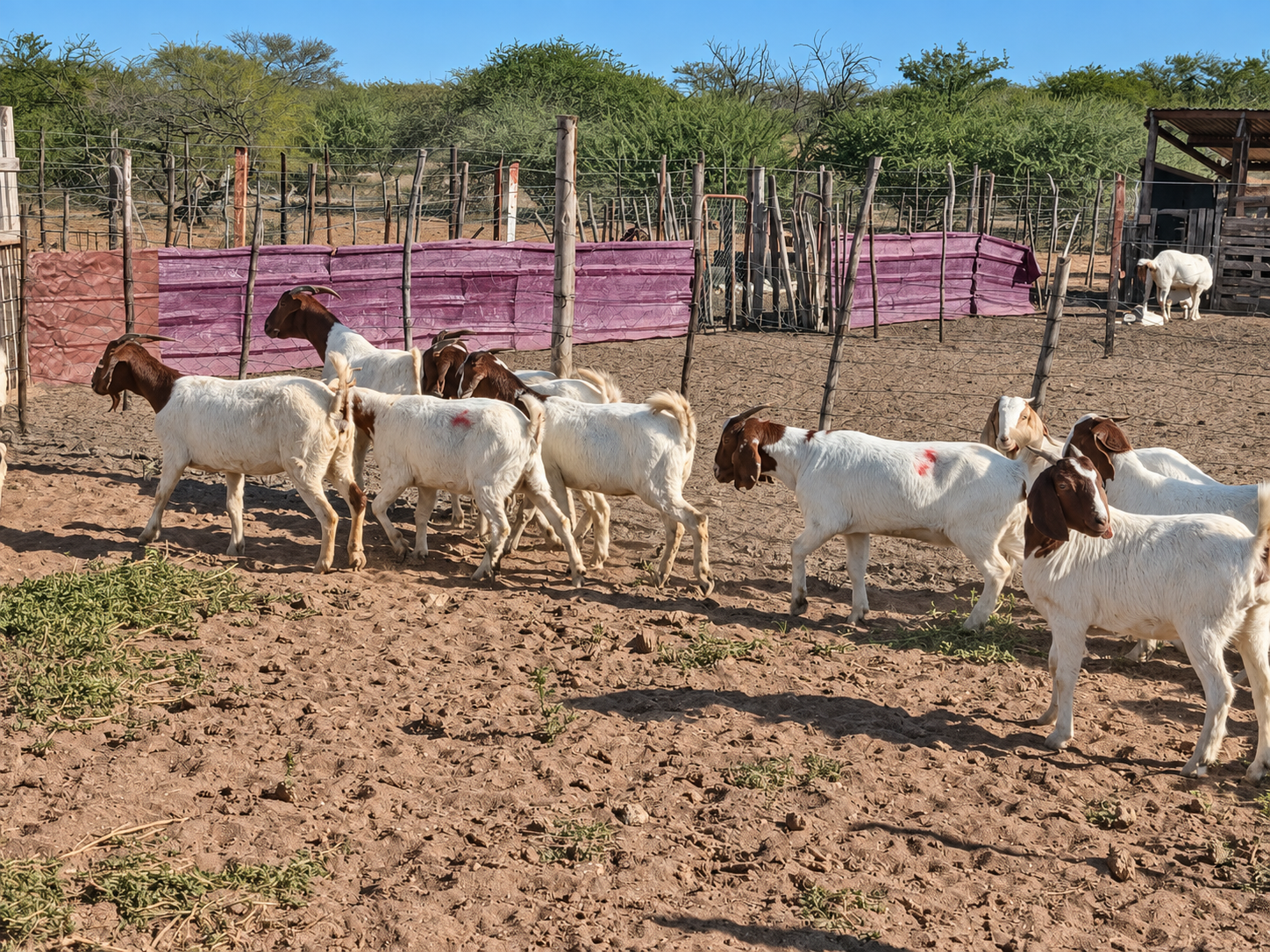
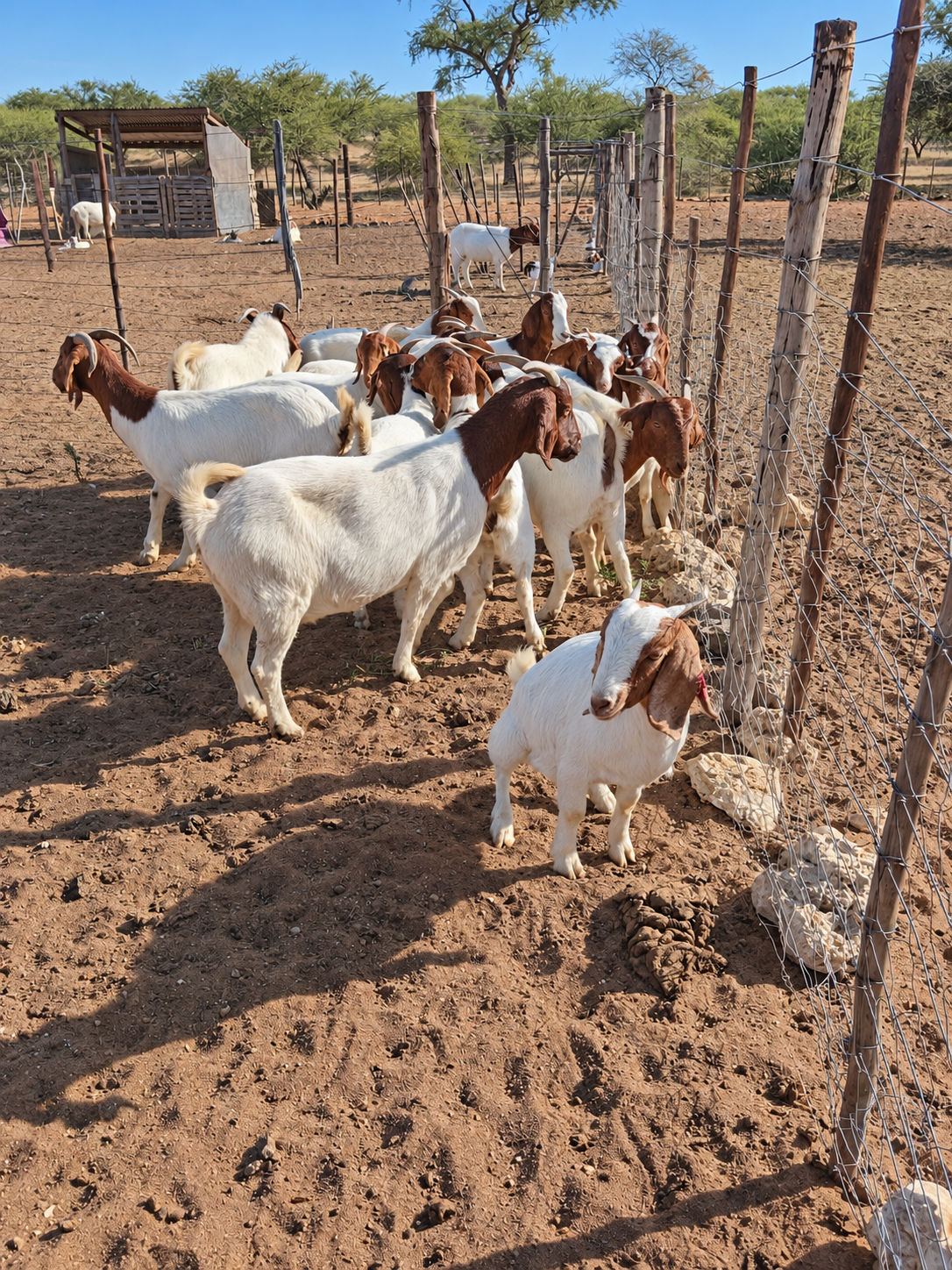
Katambo is one of 18 farmers who joined the project during its second phase. Each beneficiary received 21 animals, comprising 20 breeding females and one breeding male. Across both phases, 1,008 goats and sheep were distributed to 48 beneficiaries from three participating cooperatives in the Erongo Region.
The livestock donation is complemented by training, vaccinations, veterinary assistance, livestock-care resources and ongoing technical guidance. This ensures that beneficiaries receive not only productive assets, but also the knowledge and support required to manage their animals responsibly.
Katambo’s goats have since produced 24 kids. Unfortunately, six of the young animals died from lung sickness, leaving 18 surviving kids. Although the losses highlight some of the animal-health challenges emerging farmers may encounter, the growth of his herd has strengthened his confidence in the future of his farming activities.
The project has also enabled Katambo to take practical steps towards establishing a functioning agricultural enterprise.
“I managed to construct a kraal and hire an employee through this project for the first time,” he said.
The employment opportunity demonstrates how the benefits of livestock farming can extend beyond the direct beneficiary. As farmers grow their herds, they can create jobs and stimulate economic activity through livestock trading and demand for supporting services.
Katambo credits the project’s training with helping him transition into farming. He gained essential knowledge about maintaining a clean kraal, monitoring the condition of his livestock and caring for animals when they become sick.
“The project gave me valuable knowledge through the training courses we attended, as well as the wonderful experience of becoming a farmer for the first time,” he explained. “The support has been very helpful because I did not have any financial assistance of my own.”
Regular monitoring and evaluation activities provide beneficiaries with on-farm consultations suited to their individual farming conditions and needs. They also allow the project team to identify challenges, monitor livestock performance and collect information for monthly reporting.
Katambo is particularly encouraged by the project’s revolving model, through which beneficiaries return an agreed number of offspring after the prescribed period. The animals are then allocated to other emerging farmers, extending the benefits of the original investment to additional households.
“It is a very good initiative, especially knowing that someone else will also benefit from the project after me,” he said. “The involvement of the Swakop Uranium Foundation means a great deal to me and to the community at large. We are very grateful.”
Looking ahead, Katambo hopes to build a successful farming enterprise through hard work, dedication and responsible care of his animals. He would also like to see the initiative expanded so that more Namibians can access livestock, training and sustainable livelihood opportunities.
“My message to the Swakop Uranium Foundation and its partners is to continue with this project throughout the country so that more Namibians can be included and benefit from this great initiative,” he said.
Katambo’s journey demonstrates how access to productive livestock, practical training and continued support can enable a first-time farmer to establish a new livelihood, create employment and begin working towards a more secure future.
“Because of the Hope Farm Project, I can now call myself a grateful farmer,” he concluded.
|
|
Contributed by Swakop Uranium

